
1. AI Graduates from “Chatbot” to “Colleague”
Remember when AI was just a fun tool to write a quick email draft? Those days are gone. In 2026, we are seeing the rise of Agentic AI.
Unlike the generative AI of the past (which simply created content), Agentic AI is designed to execute tasks. Think of it less like a search engine and more like a digital employee. It doesn’t just tell you how to schedule a meeting; it checks diaries, books the room, sends the invites, and prepares the agenda.
What this means for you: For businesses, this is the ultimate productivity tool. Routine admin tasks that used to eat up hours of your team’s week can now be automated intelligently. Executing this has never been simpler, create a solid IT infrastructure environment and reap the rewards that AI can offer.
2. Why Copilot is Becoming the Primary Interface for Microsoft 365
Remember how we used to hunt through menus and tabs to get things done? Microsoft is changing that, starting with a simple conversation.
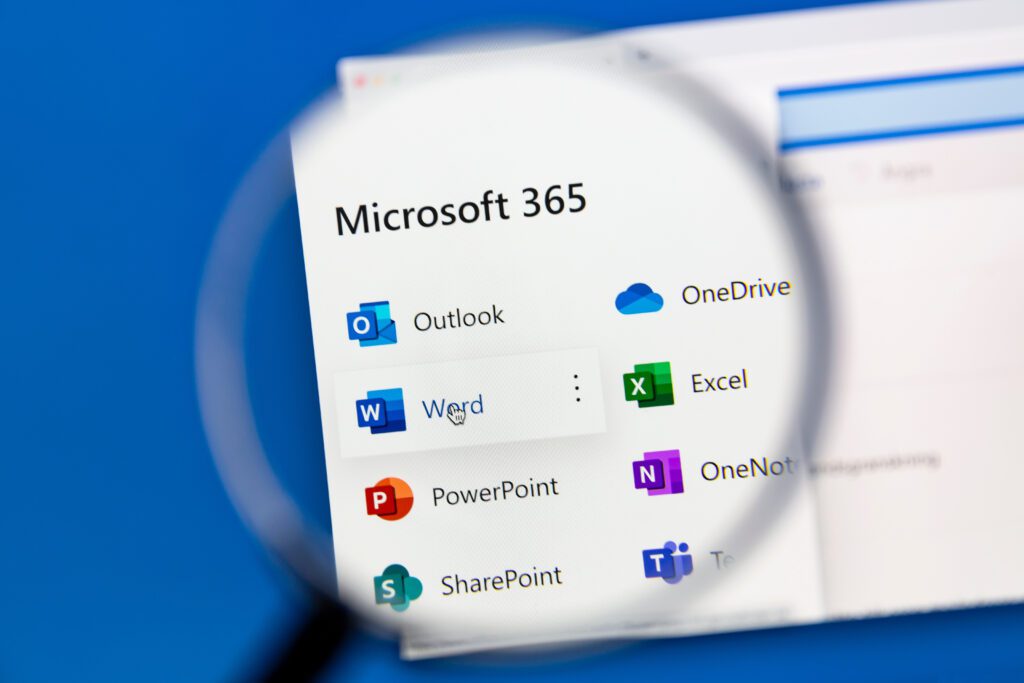
By 2026, Copilot won’t just be a handy tool in Microsoft 365; it will be your main starting point. Think of it as your AI teammate who’s there from the moment you begin your workday. Instead of asking “How do I do this?” you’ll simply tell Copilot what you need to achieve.
Need to prepare a quarterly report? Just say the word. Copilot can pull data from Excel, draft the narrative in Word, build slides in PowerPoint, and even schedule the review meeting in Teams and Outlook, all from a single request. It’s about working smarter, not harder, with an AI that adapts to your personal workflow.
This shift is powered by something called Agent Mode. Imagine Copilot working quietly in the background, connecting the dots between apps to handle those multi-step tasks that eat up your day. It turns “you do the work” into “we get it done together.”
Of course, stepping into this new way of working means getting our teams and systems ready.
The future isn’t about learning more complex software. It’s about having a simpler, more powerful conversation with the tools we use every day. Microsoft 365 is becoming that conversational workspace, with Copilot right at the heart of it.
3. Cybersecurity: The “Zero Trust” Standard
With AI becoming more powerful, cyber threats have unfortunately followed suit. “Vishing” (voice phishing using deepfake audio) and sophisticated social engineering attacks are more convincing than ever in 2026.
The response?
A Zero Trust security model. This isn’t as scary as it sounds!
It simply means your systems shouldn’t automatically trust a device or user just because they are inside your network. Every access request is verified, whether it comes from your head office, or a coffee shop in Berlin.
The Tela Takeaway: If you haven’t audited your Mobile Device Management (MDM) strategy recently, now is the time. Securing your endpoints, mobiles, laptops, and tablets is no longer optional; it’s the frontline of your business defence, and we can help you achieve this.
4. Connectivity Without Limits (5G and Beyond)
By 2026, the UK’s “PSTN Switch Off” is old news, and the country has fully embraced digital-first telephony. But the real headline is the maturity of 5G Standalone networks and the emerging integration of Low Earth Orbit (LEO) satellite connectivity.
This hybrid approach means “dead zones” are becoming an endangered species a thing of the past. For field agents, logistics fleets, and remote workers in rural areas, maintaining a high-speed connection is seamless.
- Unified Communications (UC): Your desk phone, mobile, and Teams/Xelion chats are now completely indistinguishable. A call started on a laptop in the office can be flipped to a mobile on the train without a single crackle of interruption.

5. Sustainability Reports Are Mandatory (and Digital)
Green IT isn’t just a buzzword anymore; for many UK supply chains, it’s a compliance requirement. In 2026, larger corporations are requiring their smaller suppliers to report on “Scope 3” emissions, which includes the energy used by your IT equipment and cloud storage.
Businesses are turning to smart IoT (Internet of Things) sensors to monitor energy usage in real-time, optimising everything from server room cooling to office lighting. It’s technology that saves the planet and your electricity bill.
6. The “Human-Centric” Tech Experience
Despite all this talk of automation, the 2026 landscape is surprisingly human. The most successful businesses are using tech to remove friction and time wasted.
Employees expect their work devices to be as intuitive as their personal smartphones. If your business apps are clunky, slow, or difficult to access remotely, you begin to lose any advantage over your competitors.
Providing top-tier hardware (like the latest Samsung or Apple enterprise devices) paired with seamless support is a major retention tool.
Is Your Business Ready for 2026?
The technology landscape of 2026 offers incredible opportunities for efficiency and growth, but only if you have the right foundations in place. You don’t need to navigate these changes alone.
Whether you need to secure your remote workforce with advanced Mobile Device Management, upgrade your Unified Communications, or simply want an audit of your current IT setup, Tela Technology is here to help.
Let’s future-proof your business together.
Contact Tela Technology today or call us on 01675 444320 to speak to one of our specialists.


